

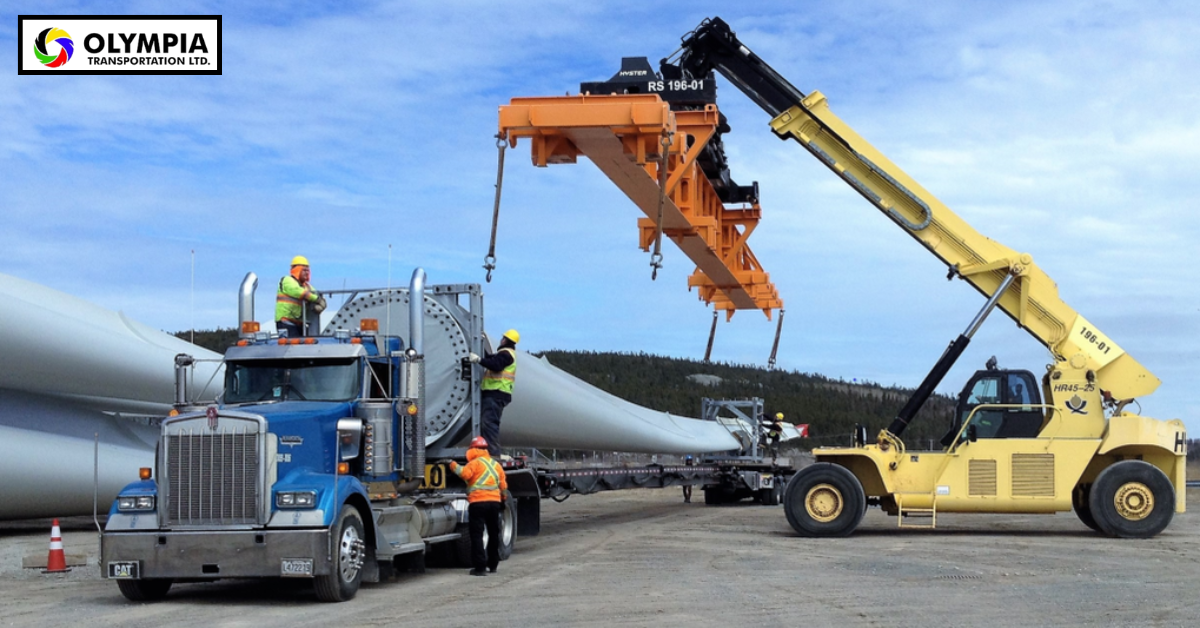
When logistics systems are split across multiple vendors, small delays turn into bigger problems. One company handles trucking. Another manages storage. Someone else handles return. Costs rise when freight slows down. Complexity grows when too many providers are involved. Olympia Transportation Ltd. simplifies logistics by managing freight as one continuous process from pickup to delivery and beyond.
What Integrated Logistics Actually Changes
Integrated logistics means fewer gaps. The truck schedule lines up with warehouse availability. Containers move when space is ready. Decisions happen with the full picture in view. At Olympia Transportation we manage trucking, drayage, warehousing, and coordination together. This structure reduces confusion and keeps freight moving with intent.
How Integration Lowers Costs
Fewer delays: Delays are expensive. Trucks waiting cost money. Containers sitting cost money. Storage overruns cost money. When transportation and warehousing are planned together, freight arrives when it can be handled. That alone removes a lot of waste.
Less unnecessary handling: Every extra move adds labor, time, and risk. Integrated logistics reduces how often freight is touched. With Olympia Transportation managing the process end to end, freight moves from port to warehouse to delivery without extra transfers that don’t add value.
Better use of equipment: Trucks work best when they keep moving. Warehouses work best when freight flows predictably. That coordination matters even more in international trucking in Canada, where long routes and tight schedules leave little room for inefficiency.
How Integration Reduces Complexity
One operation, not five
Working with multiple vendors means managing multiple timelines and priorities. Integrated logistics simplifies that. With us, there’s one team that understands where freight has been and where it’s going next.
Clear visibility
When systems are connected, updates are clearer. You know where your freight is and what’s happening next. That clarity changes how people plan. Less guessing. Fewer rushed decisions.
Easier cross-border movement
Cross-border shipping adds paperwork and timing pressure. When international trucking Canada is part of the bigger logistics picture, the process stays organized and predictable. The work feels coordinated, not last-minute.
Where Reverse Logistics Fits in
Returns don’t stop freight movement. They interrupt it when they aren’t planned. We support logistics and reverse logistics within the same framework. Returned goods are received, inspected, and handled without clogging outbound operations. That keeps warehouses cleaner and inventory easier to manage.
This is exactly why freight forwarding companies in Vancouver and Toronto exist. They know the shortcuts. They know the pitfalls. The rules. The exceptions. All the little things that trip businesses up.
Why This Matters Long Term
As volume grows, small inefficiencies get louder. What feels manageable at low volume becomes costly at scale. Integrated logistics gives businesses room to grow without adding complexity at every step. Fewer moving parts make the system easier to manage and easier to trust.
Final Thought
Integrated logistics isn’t about doing more. It’s about removing what doesn’t need to be there. When trucking, warehousing, logistics, and reverse logistics work together, costs come down and the process feels lighter. Olympia Transportation builds logistics that move with purpose. And when the system makes sense, freight does too.
Also Read: Top 5 Reasons to Use Third-Party Fulfillment in Vancouver, BC.
FAQ’s
Does integrated logistics help with long-term cost control?
Yes. Costs are easier to forecast when the entire supply chain is managed together. Fewer surprises mean better budgeting and planning.
What is reverse logistics and why does it matter?
Reverse logistics handles returns, damaged goods, and backhauls. When it’s part of the main logistics plan, returns don’t disrupt normal shipping operations or create unexpected costs.Lorem ipsum dolor sit amet, consectetur adipiscing elit. Ut elit tellus, luctus nec ullamcorper mattis, pulvinar dapibus leo.
How does Olympia Transportation support long-term logistics planning?
We focus on consistency. By understanding your routes, volumes, and return needs, we help build a shipping plan that works over time, not just for one load.
Can integrated logistics help small and growing businesses?
It can. Small teams benefit the most because they don’t have to manage multiple carriers. Olympia Transportation handles the coordination so businesses can focus on growth.
What is integrated logistics?
Integrated logistics means managing trucking, warehousing, drayage, and returns as one connected process instead of using multiple vendors.