


For global exporters moving products into Canada, choosing the right warehouse in Vancouver can make or break your supply chain performance. Whether you’re shipping from China, Europe, or Australia, Vancouver is often the first entry point into Canada—and it’s one of the most efficient logistics hubs in North America.
But not all warehouses in Vancouver operate the same way, and the right partner depends on your volume, industry, compliance needs, and last-mile strategy. This guide breaks down what international businesses should know before choosing a warehouse in Vancouver.
Why Vancouver Is a Strategic Entry Point for Global Imports
1. The Closest Canadian Port to Asia
For Chinese and Southeast Asian exporters, Vancouver offers the fastest ocean transit times:
- 11–14 days from major Chinese ports
- Shorter vessel queues than U.S. West Coast ports
- Faster customs processing for containerized freight
This combination makes Vancouver one of the most efficient entry points for international goods entering North America. Shorter sailing times mean businesses can reduce inventory gaps, plan replenishments more accurately, and react faster to shifts in demand.
The reduced congestion compared to U.S. ports helps avoid costly anchorage delays, while Canada’s streamlined customs procedures allow containers to clear and move to a warehouse much more quickly.
For manufacturers and exporters in China, Vietnam, Thailand, Korea, and surrounding regions, this translates into a faster route to Canadian consumers, improved supply chain predictability, and a stronger overall competitive advantage in the Western Canadian market.

While many businesses assume shipping from Asia to Canada takes 40–50 days, that longer timeline usually includes booking delays, port congestion, transshipment, customs clearance, drayage scheduling, and warehouse processing.
The actual time the vessel spends sailing across the Pacific is typically 11–14 days on direct routes from major Chinese ports such as Shanghai, Ningbo, and Yantian. This makes Vancouver one of the quickest gateways into North America. Faster sailing paired with shorter queues and efficient customs procedures allows goods to move off the vessel and into a warehouse much sooner, giving international manufacturers and exporters a clear advantage in replenishment speed, inventory control, and overall supply chain responsiveness.
2. Direct Access to Western Canada and U.S. Markets
Warehouses in Vancouver can efficiently serve:
- British Columbia
- Alberta
- Saskatchewan
- Washington & Oregon (cross-border)
- Western retail distribution centers

Many large retailers and distributors rely on Vancouver as their Western gateway because it reduces final-mile costs, shortens lead times, and allows businesses to test the Canadian market before committing to larger national inventory placements. For new entrants to Canada, starting distribution in Vancouver provides the perfect balance of speed, cost control, and logistical flexibility.
3. Strong Intermodal Connections
Vancouver connects directly to:
- CN Rail and CP Rail (both running east across Canada)
- Major trucking corridors to Calgary, Edmonton, and the U.S. border
- A large network of 3PL, fulfillment, and drayage providers
Vancouver’s intermodal strength is one of the biggest reasons global shippers choose it as their primary Canadian entry point. With both CN Rail and CP Rail originating significant eastbound routes from the region, containers can be transferred quickly onto rail for cost-efficient movement across the country.

At the same time, the city’s major trucking corridors connect seamlessly to Alberta, the Prairies, and the U.S. border, giving businesses flexible options depending on urgency, budget, and final destination. This dense ecosystem of 3PL warehouses, fulfillment centers, cross-dock facilities, and drayage providers creates a highly efficient logistics environment where freight can move from vessel to rail or truck with minimal downtime. For international exporters, these intermodal connections reduce the total landed cost, strengthen supply chain reliability, and significantly cut the risk of multi-day delays that often occur in more congested ports.
Types of Warehouses Available in Vancouver
1. Traditional 3PL Warehouses
Best for: wholesale distribution, pallet storage, B2B shipments
Services typically include:
- Pallet storage
- Container destuffing
- Labeling & repacking
- LTL/FTL outbound shipping
- Amazon FBA prep
Common providers include:
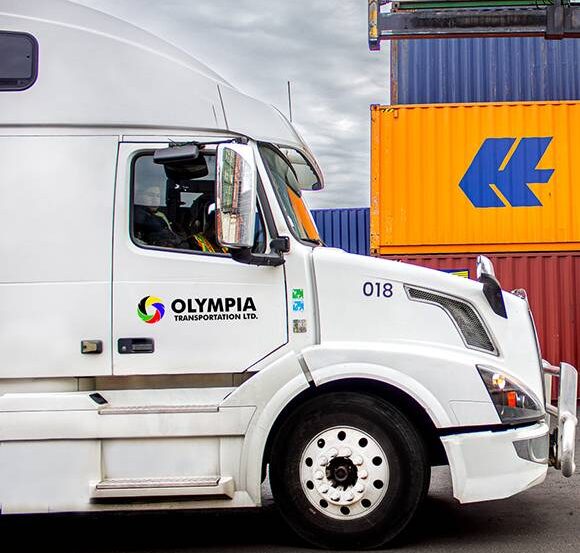
- Olympia Transportation & Warehousing
- Seasons Warehouse
- Dynamix Logistics
2. E-Commerce Fulfillment Centers
Best for: D2C brands from China, EU, Australia
Services include:
- Pick & pack
- Shopify, Amazon, Walmart integrations
- Returns handling
- Small-parcel outbound shipping
Common providers include:
- Stark Fulfillment
- ShipHype Vancouver
- eShipper West Coast
3. Temperature-Controlled Warehouses
Best for: food, beverage, cosmetics, nutraceuticals
Options include:
- Ambient
- Refrigerated
- Frozen
Common providers include:
- VersaCold
- Congebec
4. Transload & Cross-Dock Facilities
Best for: freight moving quickly to U.S. or inland Canada
Used for:
- Fast turnarounds
- Drayage + immediate outbound trucking
- Reducing long-term storage costs
Common providers include:
- Vancouver Cross-Dock
- Coast2000 Terminals
What International Shippers Should Look for in a Vancouver Warehouse
Choosing a warehouse in Vancouver is not just about price. Consider these factors:
1. Proximity to the Port
Closer warehouses mean:
- Lower drayage costs
- Faster container turnaround
- Reduced demurrage and detention fees
Aim for locations in Richmond, Delta, Surrey, or Burnaby. These cities border Vancouver and offer lower storage costs while still being only minutes from the port. Because the distances are shorter, drayage is cheaper and container turnaround is faster, which helps you avoid unnecessary demurrage and detention fees.
These surrounding suburbs also tend to have wider roads, less congestion, and easier access for trucks, making them far more efficient for moving freight compared to warehouses located deep within Vancouver itself.
2. Experience With International Importers
A strong warehouse partner understands:
- Commercial invoices & packing list requirements
- Canadian customs (CBSA) processes
- Bonded warehouse options
- FBA, retail, and D2C distribution
3. Multi-Channel Capabilities
Ideal if you sell to:
- Amazon
- Retailers
- Distributors
- Direct consumers
The ability to handle all channels streamlines operations.
4. Transparent Pricing
Warehousing in Vancouver can vary significantly in cost. Look for clear rates on:
- Inbound container handling
- Pallet storage
- Pick & pack
- Rework & labeling
- Outbound shipping
- Return processing
Because warehousing costs in Vancouver can vary widely between providers, transparent pricing is essential for international shippers. Many warehouses include extra fees, surcharges, or unclear handling costs that only appear after your freight has arrived—making it harder to control your total landed cost. A reliable provider will offer a clear, itemized rate sheet for every service, from inbound handling to storage, pick and pack, rework, and outbound shipping.
5. Integrated Transportation
International clients benefit from warehouses that also offer:
- Drayage
- LTL/FTL trucking
- Cross-border options
- Intermodal connections
Having integrated transportation services is a major advantage for international shippers entering the Canadian market. When a warehouse can handle drayage, LTL/FTL trucking, cross-border shipments, and intermodal connections all under one network, it eliminates the need to coordinate multiple vendors and reduces the risk of miscommunication.
Fewer handoffs mean fewer delays, lower chances of freight being misplaced, and a smoother flow from port to final destination. For companies shipping from overseas—especially those managing long transit times and tight delivery windows—working with a warehouse that also controls transportation creates a more reliable, predictable, and cost-efficient supply chain.



Final Thoughts
Finding the right warehouse in Vancouver is essential for any international business entering the Canadian market. The region offers unmatched access to the West Coast, strong logistics infrastructure, and multiple warehousing models to fit every type of supply chain.
Whether you’re importing from China, distributing across North America, or launching an e-commerce brand into Canada, Vancouver remains one of the most strategic and efficient warehousing hubs in the country.
If you have any questions, we are always available to help. Feel free to reach our team through the contact us page.