

Most supply problems don’t begin in the factory. They begin somewhere in transit. A shipment sits at the port longer than planned. A document mismatch slows customs. A truck slot isn’t available when the container finally clears. None of these issues looks dramatic on its own, yet together they quietly choke supply flow.
That is where freight forwarding companies in Canada are expected to step in and steady the movement of goods, not just ship them.
Understanding What Supply Flow Really Means
Supply flow sounds simple until you trace each step. Cargo leaves a supplier, hits a port, crosses borders, reaches a warehouse, then moves inland again. Every pause in that chain has a ripple effect. Forwarders exist to reduce those pauses. They don’t move every asset themselves, but they align carriers, schedules, and container trucking companies so movement stays continuous rather than fragmented.
How Freight Forwarders Actually Coordinate Logistics
In practice, coordination is less glamorous and more detail-heavy. Making sure to book ship space at the right time. Finding containers that are available at the same time as pickup windows on land. Making plans for different routes when the weather or traffic gets in the way. Freight forwarding companies in Canada work like quiet conductors, changing the timing so that one delay doesn’t stop the whole shipment journey.
Where Container Trucking Companies Fit Into The Picture
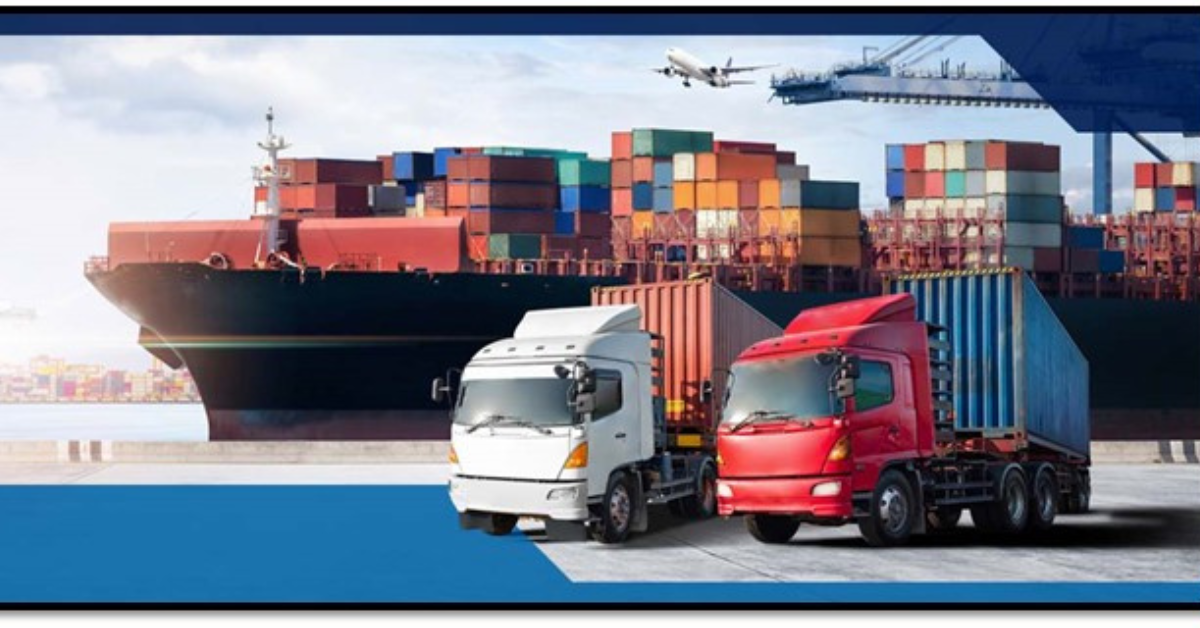
Ports are where supply flow often stalls. Containers are clear, yet they sit, waiting for pickup slots or drayage capacity. This is where container trucking companies play a decisive role. When forwarders maintain close working relationships with dependable drayage fleets, containers move out quickly. When that link is weak, inventory remains stuck in yards, tying up capital and space.
Visibility Changes How Decisions Are Made
Speed is useful, but clarity is what really stabilizes operations. With accurate tracking updates and milestone alerts, businesses know what is arriving and when. Freight forwarding companies in Canada give planning teams that kind of operational visibility, which lets them plan warehouse space, labor, and distribution schedules with fewer surprises. Less guessing means fewer emergency adjustments later.
Handling Risk Before It Disrupts Flow
Delays rarely announce themselves in advance. A labor issue at a terminal. Sudden inspection requirements. Weather disruptions along key routes. Experienced forwarders see these risks coming and change their plans before the cargo gets stuck. That could mean changing the route, changing the sailing options, or moving trucking capacity around to keep idle time from turning into weeks of delays.
Specialized Shipments Need More Than Basic Coordination
Some cargo is easy to move. Some people do. Temperature-sensitive goods, large equipment, or imports that are subject to rules need to be handled carefully and followed exactly. Canadian freight forwarders do a fantastic job on small things like this. The paperwork and cargo classification usually dictate whether cargo will move quickly through the system or will be held for review. This can result in significant changes to shipping schedules.
The Role Of Integrated Logistics Partnerships
By working together ahead of time, warehousing & drayaging provide more efficient transportation services for shipments. Olympic Transportation uses this integrated method of operation by utilizing trusted container trucking companies and storage sites that are in close proximity to each other, so there’s less time spent between handoffs (the time the cargo is transferred from the carrier to the shipper).
So, Do They Truly Optimize Supply Flow?
They can. Not automatically, and not all forwarders equally. The difference lies in how well they synchronize planning, carrier relationships, and inland transport. When those elements are actively managed, supply flow becomes steadier and far more predictable. When they are not, delays simply shift from one stage to another.
Your Freight Comes First at Olympia Transportation!
Olympia Transportation believes in providing a timely and cost-effective solution. According to us, supply chain flows are not simply transportation tasks, but also coordination issues between freight forwarder companies in Canada and dependable trucking lines that are connecting warehousing with proper planning. We assist clients in reducing the downtime of cargo transportation through the cooperation of all parties involved with the efficient movement of goods at all times.
We see supply flow as a coordination challenge, not just a transport task. Our focus is to connect freight forwarding companies in Canada with reliable container trucking companies, aligned warehousing, and thoughtful planning. Get a quote today!
Also Read: When It Makes Sense to Use a Third-Party Warehouse Vancouver Instead of In-House Storage.
FAQs
1. What do freight forwarding companies in Canada do?
They coordinate shipments, manage documentation, arrange transportation, and oversee customs clearance to move cargo efficiently.
2. How do they optimize supply flow?
By aligning vessel schedules, customs processes, warehousing, and container trucking companies to reduce delays.
3. Why are container trucking companies important?
They move containers from ports and rail yards to warehouses. Fast drayage prevents storage fees and shipment backlogs.
4. Do freight forwarders handle customs?
Yes. They prepare documents, ensure compliance, and work with brokers to avoid clearance delays
5. Can they manage specialized cargo?
Yes. They coordinate temperature-controlled, oversized, hazardous, and regulated shipments with proper documentation.