

Running an online store seems simple at first glance. Orders come in. Payments clear. Products ship out. Done. But behind the scenes? It’s a different story. Storage fees pile up. Packing mistakes sneak in. Shipping costs spike. Staffing needs fluctuate with demand. For many small- and medium-sized brands, these hidden pressures eat into profits faster than sales can grow.
This is where a smart fulfillment strategy becomes more than a convenience; it becomes essential. If this approach is done right, it can turn chaos into predictability, freeing up money, time, and energy.
Centralized Operations Replace Scattered Spending
Trying to handle fulfillment internally often means juggling space, labor, software, and shipping all at once. Each comes with its own cost and inefficiency. E-commerce fulfillment companies in Calgary bundle these elements under one roof. Space, staff, and systems work together, not against each other. The result? Fewer overlaps, lower overhead, and predictable service fees. You pay for what you use, not for what sits idle. It’s a subtle shift, but it adds up quickly.
Smarter Use of Warehouse Space
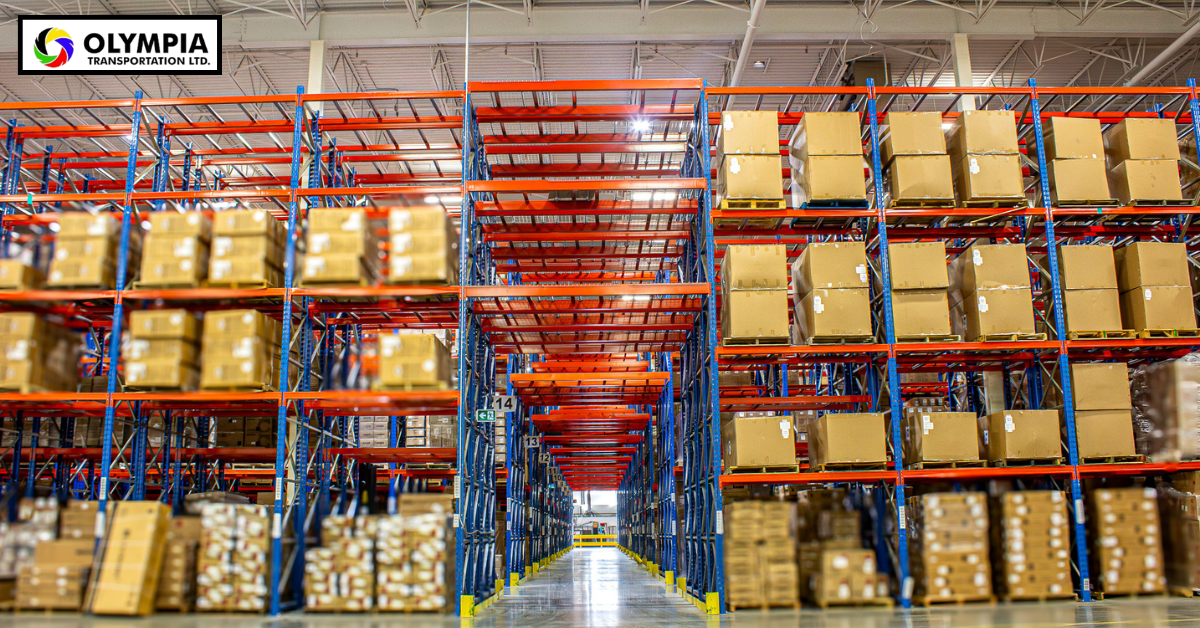
Ever paid for storage space you barely use? It stings. Fulfillment providers spread storage across multiple sellers, which keeps costs low per item. Products move faster, meaning less money tied up in long-term storage. Cash flows more freely. Orders go out faster. And your brand doesn’t get bogged down by excess inventory. A win-win, really.
Labor Costs Adjust With Demand
Hiring and training warehouse staff? Expensive. And unpredictable. One month, you’re short-staffed. Next month, there’s idle hands waiting around. Fulfillment companies already have trained teams ready to scale. Peak season? Extra hands appear. Slow months? Staff numbers shrink. No overtime bills. No scrambling for temps. Just smooth operations. Teams spend hours fixing shipping hiccups instead of planning the next move. For many companies, the problem isn’t demand, it’s the logistics behind it. That’s where logistics industry companies come in. They help businesses expand without the chaos.
Lower Shipping Rates Through Volume
Shipping is often the biggest single line item in fulfillment budgets. Small brands rarely get discounted carrier rates. Enter e-commerce fulfillment services. They combine the volume of many clients to negotiate bulk shipping deals. Those savings pass directly to you. Delivery speed stays fast. Costs go down. Simple math, but easy to overlook.
Fewer Errors Mean Fewer Returns
Every picking mistake costs more than just a refund. There’s restocking. Customer service. Extra shipping. Not to mention reputation damage. Fulfillment providers rely on tested processes, scanning systems, and quality checks. Fewer errors, fewer returns. Less stress. Happier customers. Your brand looks good, without you sweating the small stuff.
Technology Without the Price Tag
Order tracking, inventory syncing, and reporting are essential, but pricey. Building your own? A headache. Maintenance? Another one. Fulfillment companies include these tools as part of the service. You gain visibility into every order and stock level. You don’t need to invest in expensive systems or IT staff. It’s all ready, out of the box.
Faster Fulfillment Reduces Customer Support Costs
Late or wrong deliveries are a hidden drain. Refunds. Complaints. Support tickets. They pile up fast. Reliable fulfillment makes a big difference. Orders leave the warehouse quickly, arrive on time, and customers stay happy. Support costs shrink. Fewer headaches. More repeat business.
Summing Up:
Cutting corners rarely reduces costs in e-commerce. Intelligent systems can help you accomplish the same goal through diminishing error rates, sharing resources, optimizing shipping processes, and minimizing waste within an organization. By implementing these e-Commerce best practices within a growing business model, an organization has an excellent opportunity to maintain high gross profit margins even after significant growth.
Cutting corners rarely reduces costs in e-commerce. Smart systems do. Fulfillment companies save money by sharing resources, optimizing shipping, reducing errors, and eliminating waste. For growing brands, outsourcing isn’t a shortcut. It’s a disciplined approach to keeping margins intact while scaling confidently.
Olympia Transportation: A Smarter Way to Control Fulfillment Costs
Olympia Transportation provides e-commerce fulfillment solutions in Calgary to help increase e-commerce brands in Calgary through quick, accurate, and cost-efficient fulfillment methods.
We will help you reduce your storage costs, optimize your shipping, and ensure that you have accurate inventory visibility so that you can grow your company. You handle the fun of growing your brand, and we will handle the nasty logistical aspects. Contact us now to learn about our solutions and how we can help you save on costs and improve your supply chain.
Also Read: Role of Cross-Docking Warehouses in Modern Supply Chain Operations.
FAQ’s
What does an e-commerce fulfillment company do?
They handle storage, picking, packing, and shipping of your products. This frees you to focus on growing your business.
How does using a fulfillment service save money?
Shared warehouse space, bulk shipping, and scalable labor reduce costs. Fewer errors also mean less money spent on returns.
Will I lose control of my inventory?
Not at all. You get real-time visibility of stock and orders. No need to build or maintain complex systems yourself.
Can fulfillment services speed up order delivery?
Yes, they use trained teams and efficient processes to ship faster. Customers get their orders on time, reducing complaints.
: Is outsourcing fulfillment suitable for small businesses?
Absolutely. It helps small brands scale without adding operational headaches. You save money while staying flexible.