

Warehousing and Logistics Support in Toronto, Ontario
Our Toronto warehouse is built for one job: keeping freight moving through a region where delays are easy to create and hard to undo. The Greater Toronto Area runs hot. Highways clog without warning, cross-border trucks stack up at bad hours, rail schedules shift, and delivery windows keep getting tighter. This facility operates with that pressure in mind. It serves businesses that need reliable storage, steady freight handling, and a partner who understands that once cargo lands in the GTA, the plan often changes.
Toronto is more than a city market. It is a distribution hub between Eastern Canada, the U.S. Midwest and Northeast, and international freight arriving through ports and inland terminals. A lot of cargo does not stay long. It pauses, gets sorted out, then moves again. The warehouse is designed to support that rhythm, whether goods are staged for a day or positioned as part of a broader distribution strategy.
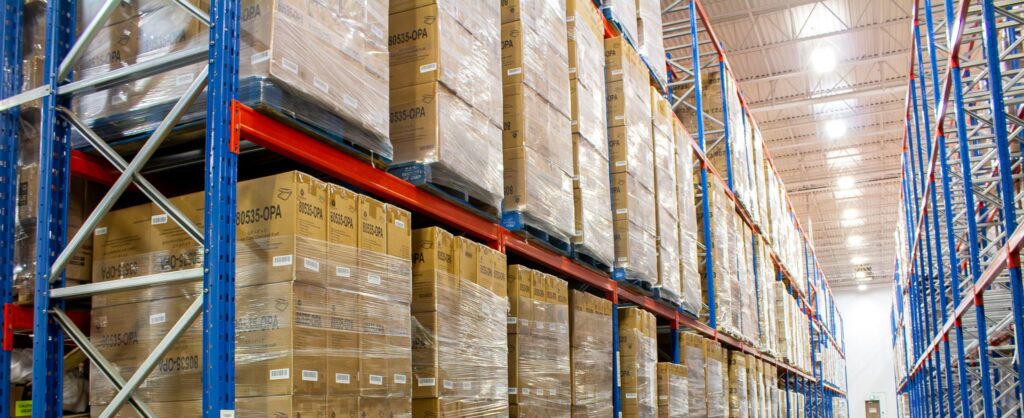
Warehousing That Moves With the Supply Chain
This is not a place where freight disappears into racks and waits for instructions. The operation ties storage, transportation, and handling together so shipments keep progressing. Fewer handoffs mean fewer chances for mistakes. Clear visibility into inventory and timing gives businesses tighter control, which matters when service levels are measured in hours, not days.
Key Operational Capabilities
Third-Party Logistics (3PL)
The focus here is active inventory, not long-term idle stock. The warehouse supports ongoing distribution programs, shifting product mixes, and seasonal swings without forcing freight into rigid processes that only look good on paper.
Cross-Docking and Freight Movement
Some shipments are not meant to sit. Cross-docking allows freight to come in, get sorted or briefly staged, and head back out quickly. It works well for high-turn goods and time-sensitive loads moving across Ontario or toward U.S. receivers.

Container Handling and Transloading
Toronto sees a steady mix of domestic and international containers, many of which need to change modes. The facility handles unloading, reworking, and transferring cargo between rail and truck, so freight keeps moving instead of waiting on the next leg.
Order Fulfillment Services
Fulfillment here is built around accuracy. Wholesale orders, retail replenishment, and B2B shipments move through processes designed to get it right the first time. Fixing mistakes after delivery costs more than doing the work carefully up front. Everyone in logistics learns that sooner or later.

Temperature-Regulated Storage
Some products do not tolerate temperature swings, as simple as that. Climate-controlled areas are available for goods that need stable conditions to meet quality standards or regulatory requirements.
Returns and Reverse Logistics
Returns are part of the job now. The warehouse manages inspection, sorting, and reintegration of returned items so usable inventory can go back into circulation instead of being treated as automatic loss.

Why Toronto Matters?
Few regions offer the same mix of highway, rail, air, and cross-border access. Highway 401 and the surrounding 400-series routes connect directly to major Canadian markets and U.S. corridors. Pearson International Airport and nearby intermodal yards add flexibility when freight needs to change modes quickly. For companies shipping across provinces or into the States, operating from Toronto often means shorter transit paths and more predictable delivery timing.
Operations Built on Consistency
Warehouse work is repetitive by nature, and that is not a bad thing. Consistency is what keeps freight intact and inventory counts honest. Daily operations focus on safety, accountability, and clear handling standards. Logistics systems support tracking and coordination, but the real work still comes down to people following solid processes on the floor. Security and compliance are handled as routine responsibilities, not special projects.
Supporting Real Logistics Needs
Some businesses just need space for a few weeks to absorb a spike. Others build long-term storage into their transportation plans. This Toronto warehouse supports both, adjusting to how freight actually flows instead of forcing every customer into the same model.
For companies dealing with the pace and complexity of inland distribution, this facility provides a steady, practical base for keeping goods moving where they need to go.