Logistics only works when freight keeps moving. The moment goods sit longer than planned, problems multiply, delays grow, costs rise, and delivery commitments become harder to meet. That’s why experienced logistics providers don’t treat warehousing as a place to park freight; they see it as a tool to maintain flow. A well-managed cross-docking warehouse is central to that approach.
Cross docking isn’t about rushing freight through a building, it’s about control. Seamlessly moving shipments from inbound to outbound transport requires planning, coordination, and a deep understanding of how trucking and warehousing work together. Olympia Transportation treats cross-docking as a strategic operation, not a shortcut.
Cross Docking Focuses on Flow, Not Storage
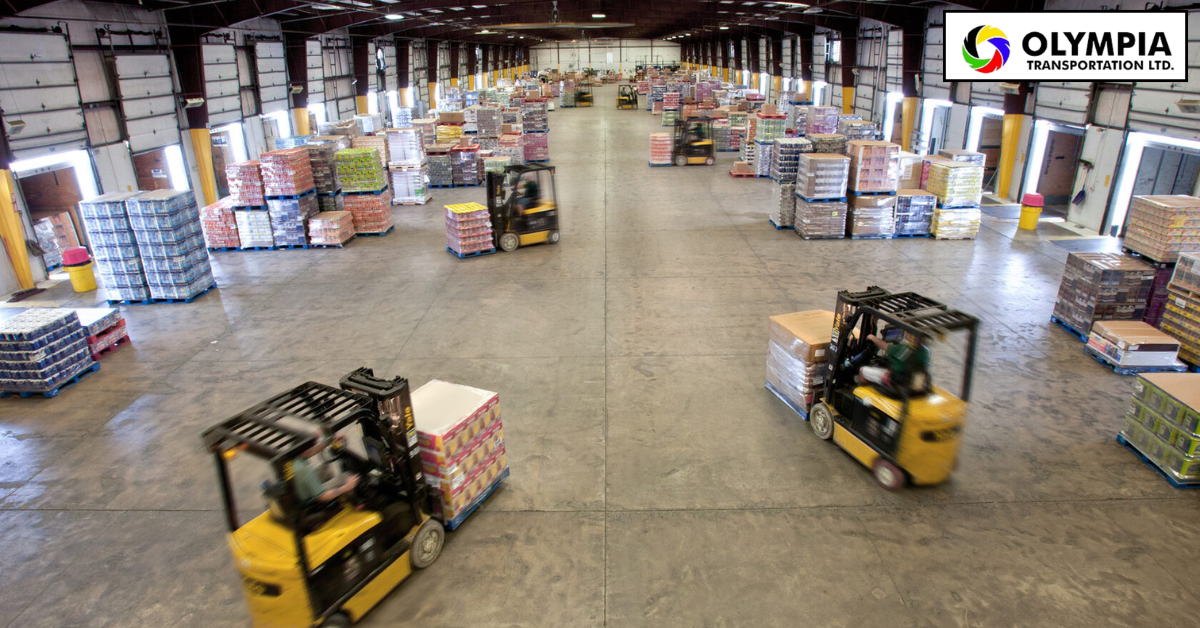
Traditional warehousing is built around holding inventory. Cross docking is built around movement. Freight arrives, is organized or consolidated, and moves out with minimal dwell time. When done right, this reduces handling, limits congestion, and keeps supply chains moving in the right direction.
Experienced logistics providers know when a cross docking warehouse makes sense and how to run it without disruption. Olympia Transportation integrates cross docking directly with its transportation and distribution services. That connection removes unnecessary handoffs and keeps freight aligned with delivery schedules.
When everyone works from the same plan, mistakes drop. Timing improves. Responsibility is clear.
Experience Is What Makes Cross Docking Work Outside the Blueprint
On paper, cross docking looks simple. In real operations, it’s demanding. Late inbound freight or unprepared outbound transport can derail the entire process. That’s why experience matters.
Olympia Transportation builds cross docking based on real-world transportation schedules, port conditions, and distribution needs. The operation is designed for real-world variables, not best-case scenarios. Freight moves because each step is coordinated, not assumed.
This is where less experienced operations struggle. Without visibility and planning, cross docking creates congestion instead of solving it. Experienced providers invest in it because they understand where pressure builds and how to manage it.
Also Read: A Global Guide to Warehouses in Vancouver: What International Shippers Need to know.
Fewer Touches Mean Lower Risk
Every time freight is handled, risk increases. Damage, misplacement, and delays usually happen during transitions. A cross docking warehouse limits those transitions by reducing storage time and unnecessary movement.
Olympia Transportation’s cross docking services support faster transfers between inbound and outbound transport. That reduction in handling matters, especially for high-volume or time-sensitive freight where reliability is just as important as speed.
Supporting Value-Added Needs Without Slowing the Process
Cross docking doesn’t mean skipping preparation. Some shipments still require light processing before they move on. Olympia Transportation supports value-added services like labeling, sorting, and coordination with custom packaging in Vancouver requirements when needed.
The difference is restraint. These services are handled without turning cross docking into long-term storage. Freight stays in motion while still meeting presentation or distribution needs. That balance is exactly why experienced logistics providers choose cross docking instead of relying only on traditional warehousing. Trucking companies in BC, Canada, offer local knowledge and experience, while bringing a wealth of problem-solving experience. They can transform transportation logistics from being a frustrating experience into a true value-add for your organisation.
Cross Docking Improves Distribution Planning
Distribution works better when freight moves predictably. A cross docking warehouse helps align inbound shipments with outbound delivery schedules. Olympia Transportation uses cross docking to support regional distribution, retail supply chains, and time-sensitive freight movement.
Cross docking is closely related to transportation planning, so businesses can see more clearly where their freight is and when it will arrive. That visibility cuts down guesswork and makes staffing, inventory planning, and delivery commitments easier to manage.
Why Experience Justifies the Investment
Cross docking takes effort to get right. It requires space, coordination, trained teams, and discipline. Inexperienced providers either avoid it or misuse it. Experienced logistics providers invest because they understand the long-term value.
Olympia Transportation invests in cross docking warehouse operations to reduce congestion, shorten transit times, and support smoother distribution. That investment reflects a broader approach to logistics reduce friction, simplify movement, and keep freight aligned with real business needs.
Final Thoughts
A cross docking warehouse isn’t about moving fast for the sake of speed. It’s about timing, control, and lowering exposure across the supply chain. Experienced logistics providers invest in cross docking because they know when it works and how to make it work.
Olympia Transportation brings cross docking, transportation, distribution, and coordination with custom packaging in Vancouver requirements into one structured operation. The result is fewer delays, fewer surprises, and better control.
When cross docking is backed by experience, businesses don’t just gain efficiency. They gain stability. And in logistics, stability is what everything else depends on.
FAQ’s
Question 1. What is a cross docking warehouse and why do logistics providers use it?
Answer
A cross docking warehouse is a facility where freight moves directly from inbound to outbound trucks with minimal storage time. Experienced logistics providers use it to reduce delays, lower handling costs, and keep supply chains moving efficiently.
Question 2. How does cross docking improve supply chain flow for growing businesses?
Answer
Cross docking streamlines freight movement by minimizing dwell time and reducing unnecessary touches. This improves delivery speed, reduces congestion, and helps businesses maintain consistent distribution schedules.
Question 3. Why is experience important in managing cross docking warehouse operations?
Answer
Cross docking requires precise timing, visibility, and coordination. Experienced logistics providers understand real-world challenges like late arrivals, port delays, and capacity changes, allowing them to keep freight moving even when variables shift.
Question 4. What value-added services can be included in a cross docking warehouse?
Answer
A professional cross docking warehouse may include labeling, sorting, pallet configuration, and coordination with custom packaging requirements. These services support shipment readiness without slowing overall freight flow.
Question 5. How does cross docking reduce freight damage and handling risks?
Answer
Cross docking reduces the number of times freight is touched, which lowers the risk of damage, misplacement, and delays. By moving shipments quickly from inbound to outbound transportation, experienced providers help maintain shipment integrity and reliability.